What Mental Illness Makes It Harder to Read
Introduction
Despite a strong reciprocal clan betwixt reading disorder (RD) and mental disorders in young people (1), their co-occurrence is often under-recognized and under-treated resulting in less than optimal outcomes in all areas including emotional outcomes. Difficulties with comorbidities may continue into machismo (2). Recognition of RD by health-care professionals is of import—the prevalence of dyslexia (decoding-based RD; the term RD is used from hereon) is approximately 5–10% of all children depending on the study beyond languages, cultures, and writing systems (three).
In an endeavour to bridge the recognition gap between RD and associated mental disorders, nosotros review RD along with other co-occurring Diagnostic and Statistical Transmission of Mental Disorders, 5th Edition (DSM-5) mental disorders. Nosotros also review literature that describes best practice interventions for children with RD and comorbid disorders and identify areas where stronger research is important (Effigy 1). Our overarching goal is to increase the sensation of wellness professionals to disorders of reading that overlap or are confused with mental weather and disorders.
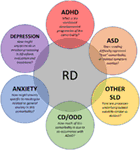
Figure ane. Current issues, areas of investigation, and suggestions for future enquiry in conditions usually occurring with RD in children. RD, reading disorder; ADHD, attention arrears hyperactivity disorder; ASD, autism spectrum disorder; SLD, specific learning disorder; CD, conduct disorder; ODD, oppositional defiant disorder.
DSM-5 defines RD, within neurodevelopmental disorders, as a type of specific learning disorder (SLD) with damage in reading that is characterized past issues with word reading accuracy, reading fluency, and reading comprehension that are non the upshot of sensory impairments, neurological disorders, intellectual disabilities, or inadequate educational instruction (4). The impairments in word reading accuracy or reading fluency are besides noted as developmental dyslexia in the literature. RD is often associated with difficulties in phonological awareness (awareness of sounds of a language, i.east., phonemes, to process spoken and written linguistic communication), lexical fluency (i.e., rapid naming of mutual items), letter (sound) knowledge, grapheme–phoneme association, which are predictive of subsequently decoding and word reading. Oral linguistic communication, vocabulary, and executive office on the other hand are more often than not more predictive of reading comprehension. Difficulties in reading comprehension may be a effect of reduced reading experience that can impede growth of vocabulary and background knowledge in those with decoding-based RD (5). However, it is possible for children with specific reading comprehension deficits to have intact decoding skills (half dozen).
Methods
We used ii electronic databases (PubMed and PsycInfo) in lodge to review prevalence and characteristics of RD'southward comorbidity with other psychiatric disorders. Searching for relevant articles from the past 20 years (1997–2017), nosotros used the keywords such as "dyslexia," "reading disability," "reading disorder," "learning disability," "learning disorder" along with "comorbid," and/or terms pertaining to other specific DSM-5 disorders [e.thou., "autism and Autism Spectrum Disorder (ASD)," "Attention Deficit Hyperactivity Disorder (ADHD)," "feet," "low," "conduct disorder," etc.]. We primarily selected articles with a focus on child populations (individuals under the age of 18 years) and a specified diagnosis of RD.
Overview of RD
Etiology
Reading disorder results from a constellation of genetic and ecology hazard factors and their interactions and not a single underlying cause. The estimated heritability charge per unit of RD is approximately 50–lxx% (7, viii). Several susceptibility genes accept been identified (8), though each explains just a small fraction of variance, suggesting the involvement of other mechanisms including polygenicity, epistasis, and epigenetics, in RD (9). Neuroanatomical anomalies in both gray and white matters shown to be causally related to RD (10) are observed in areas and networks associated with phonological, orthographic, and articulatory processing (11–13). Additionally, work in neural oscillations equally well as neurochemistry shows deficits related to sensory processing, especially auditory discrimination, in individuals with or at-chance for RD (14, xv). Within the context of comorbidity, the pathophysiology often overlaps betwixt RD and co-occurring mental disorders. For case, RD shares mutual risk genes with ADHD (16, 17). In ASD, links to language impairment (LI) such every bit specific language impairment (SLI) accept been made (18), which in turn may be associated with RD risk genes (19). Neuroimaging studies of RD comorbidity with mental disorders are currently express simply agree promise for elucidating shared versus differential etiologies. For case, ane neuroimaging study plant distinct neural biomarkers for children with dyslexia, ADHD, and age-matched controls in auditory neuroanatomy, physiology, and behavior (twenty).
Early Characteristics
In those at-hazard for developing decoding-based RD, deficits in pre-literacy skills (e.thou., phonological awareness, letter identification and letter-sound knowledge, and rapid naming) are observed (21). A growing torso of enquiry likewise implicates non-linguistic, domain-general abilities in early literacy acquisition and RD, such as visual attention (22) and executive functions (23). Decoding-based RD is often noticed initially in kindergarten or first grade when children are first exposed to formal reading didactics and may be diagnosed between 2d and 4th grade, depending on the educational organisation, parents, caregivers, and teachers. RD of reading comprehension tends to be identified later as the demands of reading increases from learning to read to reading to larn, unless children are initially diagnosed in earlier years with SLI. Though profiles of specific comorbidities will be discussed in afterwards sections, the general blueprint is that RD in combination with a comorbid condition results in greater impairment.
Assessment and Diagnosis
In order to obtain a formal diagnosis of RD, a kid must undergo a bombardment of tests that are administered past a qualified professional (diagnostician qualifications vary by land). Careful consideration of the potential for co-occurring disorders or impairments and other interacting factors is critical for ensuring accurate diagnoses to inform recommendations for intervention or treatment—and for predicting prognosis. For case, it would be important to determine whether a kid presents with ADHD and has a secondary difficulty in reading or presents with RD that results in inattention.
Prior to assessment, it is of import to obtain the child's family, developmental, and educational history. Sensory bug (e.1000., harm in vision or hearing), home and school literacy environment, native language (e.g., English learners who lack English proficiency) that may affect reading should exist ruled out as causes of difficulty; at the same time, information technology must be kept in mind that the presence of these issues do not necessarily prevent beingness of RD. Parental cocky-report scales of reading and attention difficulties may be useful for identification of adults at-gamble for these difficulties, since at-risk parents may confer risks on their children for related problems (24).
Comorbid Mental Disorders
Neurodevelopmental Disorders
Attention Deficit Hyperactivity Disorder
Attention deficit hyperactivity disorder and RD are recognized equally frequently comorbid disorders (Table ane). ADHD involves an unremitting design of inattention and/or hyperactivity–impulsivity that results in functional impairment (4). RD often involves attending difficulties, sometimes representing overlooked and undertreated ADHD (25), which can contribute to bookish underachievement (26). Subgroups of children with RD bear witness attention-related impairments (eastward.g., deficits in alertness, covert shift of attending, divided attention, flexibility, and visual search) (27). In experimental piece of work, researchers have shown attention-related deficits in RD in both the auditory (attention shifting) (28) and visual domains (which some fence is an independent contributor to phonological deficits) (29).
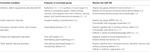
Table 1. An overview of comorbid atmospheric condition that unremarkably occur with reading disorder (RD) besides equally their shared symptoms and risk mechanisms.
Approximately 20–xl% of children with the inattentive subtype of ADHD have RD (50, 51) and 20–40% of those with RD have ADHD (33). The relationship between ADHD symptoms and reading is plant to exist predominantly in the inattentive type (30, 31). Neuropsychological profiles of RD and ADHD comorbid groups include deficits in processing speed, exact working memory, phonological curt-term memory, naming speed, and central executive processes (32, 33). A stiff explanation for this comorbidity proposes that multiple predictors of each disorder have shared or overlapping genetic (16, 17), besides as neural and cognitive risk factors. A proposed subgroup of ADHD, "sluggish cerebral tempo," characterized past difficulty sustaining attention, daydreaming, languor, and physical underactivity, is thought by some to represent a possible link to RD (52) using electrophysiological (53) and pharmacological (54) evidence. Imaging studies, nonetheless, have more often than not institute distinct patterns of structural and functional abnormalities among RD and ADHD, near often examined separately (55).
The enquiry on comorbidity between RD and ADHD is all-encompassing—for reviews, run into Ref. (17, 33, 56). However, the combined developmental progression of RD + ADHD is not well studied. Farther research is needed of the overlap or intertwined nature of the two disorders and the influence of this potential co-contribution during the development of reading.
Autism Spectrum Disorder
There are limited studies of ASD + RD children, and the prevalence of RD reported in ASD children ranges considerably from vi (57) to xxx% (58). One consideration in discussing co-occurring ASD and RD is differentiating between "truthful" comorbidity and symptom overlap—a recurring event in child psychopathology. In both ASD and RD, there are documented impairments in reading comprehension, linguistic communication, and visual/auditory processing. Nevertheless, merely counting these overlaps in cerebral symptoms in ASD and RD may lead to false recognition of comorbidity. On the other mitt, failure to recognize a comorbid RD could result in inadequate handling with negative bookish consequences.
Reading disorder and ASD might not be considered "true" co-occurring disorders because the reading difficulty in ASD is not a decoding or phonics problem. Numerous studies written report reading comprehension deficits in children with ASD that are discrepantly low with their intelligence [run across Ref. (59) for meta-analysis], which typically do non fall under decoding-based RD. In fact, though reading comprehension impairment in ASD children is well-documented (34), ASD children often show intact and sometimes even precocious abilities in discussion reading, non-discussion decoding, and text reading accuracy (60). These findings suggest that the reading deficits observed in ASD are different than that of a child with decoding-based RD, which are characterized by phonological deficits that may atomic number 82 to impaired reading comprehension.
One manner to further explore if ADHD + RD correspond a "truthful" comorbidity is to examine the possibility of shared etiological factors. One explanation for shared reading problems is co-occurring LI. LI is prevalent in both ASD (61) and RD (62), and studies suggest that the presence of reading comprehension deficits in children with ASD is mediated by linguistic communication ability (35, 61). These behavioral results are supported by a written report showing that genes contributing to general language skills are shared among dyslexia, ASD, and LI (xix). Yet, LI is certainly non the sole contributor to reading issues in ASD—some literature shows a correlation between social abilities and reading comprehension in ASD (lx). In other words, the behavioral manifestation of reading impairment in ASD and RD originates at to the lowest degree partly from dissimilar mechanisms; however, longitudinal and family studies are needed to further explore how the disorders may be related. As discussed in the treatment section, the underlying explanation for the RD and ASD comorbidity has of import implications for how comorbid RD is treated in children with ASD, and farther study is needed to determine the most effective differential interventions.
Other SLDs
Historically, the subtypes of SLDs accept been viewed from an academic-subject approach—for example, the DSM-four had singled-out categories for RD, mathematics disorder (Md or dyscalculia), disorder of written expression (dysgraphia), and learning disorder non otherwise specified. The DSM-5 moved abroad from these categories in including RD, MD, and dysgraphia together nether the label of "Specific Learning Disorder" with specifiers for the area of impairment. These areas of harm can exist further cleaved downwards into component subskills in the areas of reading (e.g., discussion reading accuracy, reading fluency, and reading comprehension), mathematics (e.thou., number sense, adding, and math reasoning), and writing (e.thou., spelling, grammar, and written expression). In a motion from a categorical to a dimensional approach, research has sought to place comorbidities among the SLDs through the lens of shared versus unique cognitive processes that might underlie them.
Reading disorder and Physician have a comorbidity of approximately 40% (63), and this co-occurrence is associated with greater impairment on measures of internalizing psychopathology and academic functioning (47). Although RD and MD are mostly accepted to have unique neurocognitive profiles, researchers have pointed to shared cognitive processes in working memory, semantic retentivity, and verbal processes that may explicate the high comorbidity (49). One recent paper applied a cluster analysis to children with SLD to identify associations betwixt cognitive clusters and SLD subtypes. Results showed that dumb subskills of each domain were associated with dissimilar clusters—for example, math and text reading speed were nigh strongly associated with a cluster involving cognitive processing, while text comprehension was more linked to the verbal abilities cluster (64). This arroyo is promising in recognizing the heterogeneity inside RD and Doctor themselves, too as adopting a dimensional approach to highlight shared cerebral deficits.
Reading disorder has also been shown to co-occur with dysgraphia. Comorbidity rates betwixt RD and dysgraphia are difficult to determine, all the same the correlation of word reading and writing performance is shown to be effectually 70% (65). Although RD and dysgraphia are shown to have differences in brain bases for written linguistic communication tasks (66), they exhibit shared behavioral deficits in rhythm, which is required for both reading and writing (48). Most researchers have explained the overlap of dysgraphia and dyslexia by highlighting learning to read and learning to spell as "2 sides of the same coin" (65). Phonological awareness, visual attending, working memory, and auditory processing play predictive roles in both reading and writing (67).
Further research is warranted on examining comorbidities between RD and other SLDs from a process perspective. In detail, studies should examine trajectories of harm in these cognitive processes from earlier the onset of formal schooling to adult years when "bounty" for deficits may have occurred.
Disruptive, Impulse-Control, and Comport Disorders (CDs)
Children with RD can showroom comorbidities in the confusing, impulse-command, and CD categories of the DSM-v including CD and oppositional defiant disorder (ODD) (4). Most of the existing literature focuses on associations between RD and behavioral issues or disorders in general, though specific links betwixt RD and diagnosed CD (68) take been established. It is not articulate, however, how much of the college incidences of externalizing behavior among children with RD precedes RD or is the emotional event of it (36, 37). Although more recent studies take establish that reading difficulties often precede behavioral problems, results do not necessarily support a direct causal pattern between the two weather. Instead, carry and behavioral bug in RD children are exhibited across both academic and non-academic settings and appear more independent of reading problems (69, lxx). These findings are of import in implying that interventions for RD may not treat co-occurring behavioral problems—however, such treatment studies have still to exist conducted and represent an surface area of needed enquiry.
One promising caption for the co-occurrence of RD and behavioral disorders is each weather condition' comorbidity with ADHD—ADHD commonly occurs with RD, CD, and ODD (71), and ADHD and RD are associated with college delinquency severity scores than for either one alone (72). Further support for this caption comes from studies showing that hyperactivity mediates between reading problems and disruptive behaviors in adolescent populations (39, 73). Notwithstanding, one report of adult forensic patients with RD institute a higher level of cerebral impulsivity than those without RD, regardless of ADHD diagnosis (74). An additional explanation for the comorbidity of these conditions with RD involves shared neurocognitive risk factors—for example, children diagnosed with disruptive and CDs are shown to have abnormal language processing (42) and working memory deficits (38), characteristics also shared by children with RD. Taken together, these results suggest that the comorbidity of disruptive, impulse-control, and CDs and RD are at least partially due to each disorders' co-occurrence with ADHD. Further study is needed to make up one's mind how the co-occurrence of RD and CD/ODD may differ with or without the presence of comorbid ADHD. This will inform the most effective timing and nature of interventions to improve outcomes for RD and intertwined behavioral disorders.
Anxiety Disorders
Children with RD report greater generalized anxiety than their non-RD peers (44), and a meta-analysis has confirmed that LD children and adolescents, including those with RD, have significantly higher scores on anxiety measures than non-LD students (75). This higher charge per unit of anxiety in RD children persists even later controlling for ADHD symptoms (76). In explaining this comorbidity, researchers have proposed a model whereby anxiety distracts from learning and interferes with cognitive processes necessary for reading, leading to potential RD (77). Even so, researchers accept also proposed that reading issues associated with RD tin can lead to anxiety every bit a issue of the experience of school failure (78). More neurodevelopmental longitudinal studies are needed to investigate these processes, although current bear witness suggests that both models take merit, with a bi-directional relationship between anxiety and reading (79).
In lodge to investigate a potential genetic etiology for the RD-anxiety comorbidity, researchers have studied siblings and twin pairs. One report of monozygotic and dizygotic adult twins found a stiff link between anxiety and RD but with no shared genetic cause (45). A separate study demonstrated that siblings of children and adolescents with RD were more than twice as likely to see criteria for generalized anxiety disorder (GAD), suggesting shared familial risk factors between the 2 disorders (46). The study also showed marginally significant differences betwixt monozygotic and dizygotic twin pairs in RD cross-concordance with GAD, indicating a minor office for genetic run a risk in the comorbidity between RD and anxiety. Although more work is needed on neural correlates of comorbidity, these genetic studies support the model of a combination of genetic and environmental adventure factors in explaining co-occurrence of RD and anxiety.
One area of future inquiry involves distinguishing between comorbidity of RD and general anxiety versus anxiety specific to reading (reading feet). Reading anxiety as a concept has non been investigated in the literature, but over three decades of research on math anxiety indicate that its neural and behavioral characteristics are related simply singled-out from general anxiety [encounter Ref. (80, 81) for reviews on math anxiety]. In that location is no dubiety that RD is commonly comorbid with full general anxiety, just investigating the potential presence of reading anxiety could enable more targeted interventions to address co-occurring emotional problems children with RD. Unfortunately, at that place are currently no measures to assess reading anxiety, representing an area of need in the field.
Depressive Disorders
In addition to or potentially as a issue of anxiety, children and adolescents with RD exhibit higher rates of depression (44, 82), with evidence for a correlation betwixt more severe RD and greater depressive symptoms in younger children (83). Like to the research on RD and feet association, the being of depression in RD does not appear to be dependent on comorbidity with ADHD (84). Researchers have identified low cocky-esteem as a symptom of depression in RD every bit well as a target for intervention (85, 86)—in one study of adolescents with RD, self-esteem predicted 23% of the variation in depression risk (87). Low and RD exhibit patterns of familial take chances and marginally significant genetic contributions like to that of RD and anxiety (46), suggesting multiple risk factors. The college incidence of bullying and peer victimization faced by children and adolescents with RD may exist an environmental factor that partially explains comorbidity with depression (88) but further study of neurodevelopmental take a chance factors will likely provide targets for early interventions.
For example, a growing area of research suggests that emotion processing may exist dumb in children with RD (89). This impairment has important implications for assessing for comorbid depression and anxiety in RD (44), since deficits in understanding emotions, depressive and anxious symptoms may become underreported. Thus, self-report measures may not be sufficient to assess for comorbid depression and anxiety in RD youth.
Other Disorders and Atmospheric condition
Reading disorder tin sometimes co-occur with other DSM-5 categories, though these appear to be less investigated than the aforementioned atmospheric condition. Although RD is not listed every bit a common comorbid status in the category of sleep-wake disorders and vice versa, a recent exploratory study found a significantly greater frequency of sleep disorders in RD children compared to controls (ninety). Given that a prior neurophysiological study showed an clan between sleep activeness and reading abilities in RD children (91), evaluation of slumber may exist an important factor to consider in RD treatment and management.
Reading disorder may too co-occur with disorders more commonly actualization in adulthood. For instance, one study of substance-related and addictive disorders showed that out of a sample of adults with addiction bug, 40% had RD (92). However, a separate study reported significantly lower substance use history in RD versus non-RD university students (93). Future inquiry is therefore needed to describe conclusion about the comorbidity of RD and substance abuse. Similarly, due to the rarity of early onset schizophrenia, RD and schizophrenia have not been shown to co-occur in children, simply 1 study found that 70% of developed patients with schizophrenia met criteria for RD (94). However, this finding may exist confounded in role by reduced educational and occupational outcomes (94), besides as IQ changes that may occur with progression of schizophrenia (95). Finally, a class of RD tin can occur in patients with the neurocognitive disorder of dementia (96) and may share susceptibility genes (97), though this is only observed in adult populations.
Treatment
A challenge in treating comorbid conditions is whether to target both weather condition simultaneously or to treat one condition to see if benefit in the other condition results. Nonetheless, there is a gap in the literature of evidence-based strategies for treating RD with comorbid conditions, likely because investigations of treatments oftentimes intentionally exclude individuals with comorbidities. This is farther complicated by the fragmented arroyo to handling a child with RD may receive. For case, an educator may focus on treating one symptom (e.g., decoding) while a psychiatrist may target some other (e.g., anxiety). The bulk of studies of interventions for comorbid RD are with ADHD with few to no studies of other comorbid conditions such every bit ASD, CD, anxiety, or depression.
Reading Interventions
Phonics-based reading instruction is the most common and most effective intervention for students with RD (98) and for poor readers (99). Phonics educational activity that is systematic and explicit has the greatest testify (100). Didactics designed to explicitly teach adult students to assign selective attending to character–phoneme associations—equally opposed to attempts to memorize whole unfamiliar words—impacts brain circuitry that can after be recruited during reading (101). Reading interventions are effective for students with and without RD when administered by teachers or researchers (102). Although music education has likewise been investigated as a way to better reading in children with RD, evidence does not currently support its effectiveness (103).
Reading interventions in comorbid ADHD + RD are shown to be effective regardless of adjunctive ADHD medications (104). In a recent newspaper, ADHD treatment alone resulted in greater reduction in ADHD symptoms than reading treatment alone, and reading treatment led to greater improvements in reading issue (word reading and decoding) than ADHD treatment only. The administration of both treatments simultaneously did not result in a greater level of improvement of each outcome (ADHD symptoms and reading skills). In other words, there was no additive value to combining treatments. Notwithstanding, the combined handling enabled remediation of both ADHD and reading symptoms in the comorbid group simultaneously, so would nonetheless be recommended over treating each disorder in isolation (105). It should be noted that this study involved predominantly African American males and should be replicated with a diverse range of demographics.
To be nigh constructive, children with RD and comorbid conditions may need reading interventions to be more than specific or combined with other interventions. For example, children with RD + Md who received both reading intervention and number combination intervention outperformed RD + MD students who received reading intervention lone (106). Reading intervention may as well need to specifically target the unique reading profiles of subjects with comorbidities. Children with ASD and comorbid reading issues show a profile of intact decoding abilities, yet low reading comprehension, and appropriately, reading intervention specifically targeting vocabulary skills is shown to be nearly constructive in this population (107, 108).
Socioemotional Health
Because children with RD may be exposed to significant stressors, and RD tin can co-occur with anxiety and depression, treatments should address socioemotional health in addition to reading. Protective factors that foster resilience for children and adolescents with RD include self-advancement tools, strength identification, and social connections (109). Yet, research on prove-based treatments for low and feet that commonly occur with RD is inadequate and is a critically important expanse for time to come piece of work. Cognitive behavioral therapy (CBT), a treatment that focuses on altering negative behavioral and thought patterns, may reduce symptoms of comorbid anxiety and low in RD children. CBT is the standard for treating unidimensional cases of anxiety and depressive disorders (110, 111) and is shown to be effective in treating psychiatric comorbidities in other conditions that co-occur with RD, such as ADHD (112) and ASD (113). More research is needed to delineate unique modifications that might be necessary for the greatest effectiveness when the emotional status is combined with RD.
Mindfulness meditation shows increasing promise for benefit to socioemotional health in people with these combined disorders. Mindfulness meditation is shown to reduce anxiety in RD adolescents (114). It is also shown to improve attending and lexical processing/give-and-take reading (but not non-discussion decoding) in combined RD and ADHD in adults, more than so than in those with RD just (115). A mindfulness intervention incorporating elements of CBT was shown to meliorate ODD and CD symptoms in RD + ADHD adolescents, likewise as reduce anxiety in RD + anxiety adolescents. Academic performance is thought to be improved through the reduction in anxiety as a issue from mindfulness meditation among youth with RD and comorbid weather condition (114).
Biomedical and Nutritional
Pharmacotherapy is increasingly investigated for combined RD and comorbid conditions, although the most common treatment for RD lonely is reading interventions. The bang-up bulk of these studies examined RD with comorbid ADHD. Results from these studies are summarized in recent reviews (56, 116). In summary, these studies accept investigated the utilise of atomoxetine (ATX), methylphenidate (MPH), and nutritional supplements such as polyunsaturated fatty acids (117) on outcomes of reading, ADHD symptoms, and executive functions in ADHD + RD groups. Reviews reporting on treatment studies found that issue upshot sizes range from pocket-sized to medium [as low as 0.13 for ATX and equally high equally 0.60 for MPH (56)], although effects on ADHD symptoms are larger and more consistent than for executive role or reading (56, 116). Future piece of work in this area should investigate the touch of these and other medications on RD with other unremarkably co-occurring conditions, as well as examine the neurophysiological mechanisms of these treatments in comorbid groups.
Experimental Interventions
Initial research suggests that neurofeedback preparation to increase attention processes (118, 119) may be effective in reducing ADHD and RD symptoms, although investigations of these brain-based interventions are too preliminary to be fully endorsed as treatments for RD. Altering cortical excitability using neuromodulation techniques, transcranial magnetic stimulation, and transcranial direct electric current stimulation is shown to change reading and reading-related abilities in typical and RD adults and children, though parameters such every bit stimulation frequency and location are not consequent in their benefits (120, 121). These studies have not investigated neuromodulation with RD and comorbid conditions and are nevertheless in experimental and proof-of-concept stages.
Clinical Implications and Significance
Cognition and awareness of RD are highly relevant to health-intendance professionals working with children, every bit mental disorders may exist comorbid or blended, and RD can exist overlooked or undertreated. Testify for the co-occurring disorder may exist recognized before the RD is identified (east.g., ADHD and ASD), may follow the RD (due east.g., depression), or may be intertwined with RD (e.g., anxiety and behavioral disorders). In all of these co-morbidities, the mechanisms of the disorders may overlap, and more research is needed to identify the mechanism of the overlap, the sequencing of their developmental and neurodevelopmental influence, the most benign targeting and nature of interventions, and the economic burden of RD with and without treated and untreated comorbid mental disorders. Although one disorder may be identified as the master target for intervention, comprehensive interventions should accost both the RD and the comorbidity to produce optimal treatment results.
Author Contributions
RH designed the commodity and wrote the Sections "Introduction" and "Treatment." RH and SH cowrote the Comorbid Mental Disorders sections—SH also constructed the table. JB wrote the Section "Socioemotional Wellness." NW wrote the Department "Reading Interventions." FH wrote the Section "Overview of RD" and added to all sections. All the authors read and approved the paper.
Disharmonize of Interest Argument
Enquiry was conducted in the absence of whatever commercial or financial relationships that could exist construed as a potential conflict of interest.
Funding
RH was supported past research grants from Curemark, BioMarin, Roche, Shire, Sunovion, Autism Speaks, and Vitamin D Council and is on the Advisory Lath for Curemark, BioMarin, Neuren, and Janssen. FH was supported by grants from the Eunice Kennedy Shriver National Institute of Kid Health and Human Development (NICHD) R01HD078351, R01HD086168, R01HD065794, P01HD001994, National Science Foundation (NSF) NSF1540854, Oak Foundation Grant ORIO-16-012, University of California Role of the President Multi-campus Enquiry Program (MRP-17-454925), and the Potter Family unit. JB was supported by an Ignite Award, Boston College.
References
one. Willcutt EG, Pennington BF. Psychiatric comorbidity in children and adolescents with reading disability. J Kid Psychol Psychiatry (2000) 41(8):1039–48. doi:10.1111/1469-7610.00691
PubMed Abstract | CrossRef Full Text | Google Scholar
2. Ascherman LI, Shaftel J. Facilitating transition from loftier school and special education to adult life: focus on youth with learning disorders, attention-arrears/hyperactivity disorder, and speech/linguistic communication impairments. Child Adolesc Psychiatr Clin N Am (2017) 26(ii):311–27. doi:10.1016/j.chc.2016.12.009
PubMed Abstract | CrossRef Full Text | Google Scholar
4. American Psychiatric Association. Diagnostic and Statistical Manual of Mental Disorders, Fifth Edition (DSM-v). Arlington, VA: American Psychiatric Publishing (2013).
Google Scholar
5. Lyon GR, Shaywitz SE, Shaywitz BA. A definition of dyslexia. Ann Dyslexia (2003) 53(1):1–fourteen. doi:10.1007/s11881-003-0001-9
CrossRef Full Text | Google Scholar
6. Cut LE, Clements-Stephens A, Pugh KR, Burns South, Cao A, Pekar JJ, et al. Non all reading disabilities are dyslexia: distinct neurobiology of specific comprehension deficits. Brain Connect (2013) 3(2):199–211. doi:ten.1089/brain.2012.0116
PubMed Abstract | CrossRef Full Text | Google Scholar
12. Richlan F, Kronbichler M, Wimmer H. Structural abnormalities in the dyslexic brain: a meta-analysis of voxel-based morphometry studies. Hum Brain Mapp (2013) 34(11):3055–65. doi:10.1002/hbm.22127
CrossRef Full Text | Google Scholar
13. Vandermosten One thousand, Boets B, Wouters J, Ghesquiere P. A qualitative and quantitative review of diffusion tensor imaging studies in reading and dyslexia. Neurosci Biobehav Rev (2012) 36(6):1532–52. doi:ten.1016/j.neubiorev.2012.04.002
PubMed Abstract | CrossRef Full Text | Google Scholar
14. De Vos A, Vanvooren S, Vanderauwera J, Ghesquière P, Wouters J. Atypical neural synchronization to speech envelope modulations in dyslexia. Brain Lang (2017) 164:106–17. doi:10.1016/j.bandl.2016.10.002
PubMed Abstruse | CrossRef Full Text | Google Scholar
15. Hancock R, Pugh KR, Hoeft F. Neural noise hypothesis of developmental dyslexia. Trends Cogn Sci (2017) 21(6):434–48. doi:10.1016/j.tics.2017.08.003
CrossRef Total Text | Google Scholar
sixteen. Mascheretti S, Trezzi V, Giorda R, Boivin M, Plourde V, Vitaro F, et al. Complex effects of dyslexia risk factors account for ADHD traits: prove from two independent samples. J Child Psychol Psychiatry (2017) 58(ane):75–82. doi:x.1111/jcpp.12612
PubMed Abstract | CrossRef Full Text | Google Scholar
17. Willcutt EG, Betjemann RS, McGrath LM, Chhabildas NA, Olson RK, DeFries JC, et al. Etiology and neuropsychology of comorbidity between RD and ADHD: the instance for multiple-arrears models. Cortex (2010) 46(10):1345–61. doi:10.1016/j.cortex.2010.06.009
PubMed Abstruse | CrossRef Full Text | Google Scholar
xviii. Bartlett CW, Hou L, Flax JF, Hare A, Cheong SY, Fermano Z, et al. A genome browse for loci shared by autism spectrum disorder and language damage. Am J Psychiatry (2014) 171(i):72–81. doi:10.1176/appi.ajp.2013.12081103
PubMed Abstract | CrossRef Total Text | Google Scholar
19. Eicher JD, Gruen JR. Language impairment and dyslexia genes influence language skills in children with autism spectrum disorders. Autism Res (2015) 8(2):229–34. doi:10.1002/aur.1436
PubMed Abstruse | CrossRef Total Text | Google Scholar
xx. Serrallach B, Groß C, Bernhofs V, Engelmann D, Benner J, Gündert Due north, et al. Neural biomarkers for dyslexia, ADHD, and Add together in the auditory cortex of children. Front Neurosci (2016) 10:324. doi:10.3389/fnins.2016.00324
PubMed Abstract | CrossRef Full Text | Google Scholar
21. Ozernov-Palchik O, Gaab North. Tackling the 'dyslexia paradox': reading brain and behavior for early markers of developmental dyslexia. Wiley Interdiscip Rev Cogn Sci (2016) 7(2):156–76. doi:10.1002/wcs.1383
CrossRef Full Text | Google Scholar
22. Franceschini S, Gori Due south, Ruffino M, Pedrolli K, Facoetti A. A causal link between visual spatial attending and reading conquering. Curr Biol (2012) 22(ix):814–9. doi:10.1016/j.cub.2012.03.013
PubMed Abstract | CrossRef Full Text | Google Scholar
23. Segers E, Damhuis CM, van de Sande E, Verhoeven L. Function of executive functioning and home environment in early reading evolution. Learn Individ Differ (2016) 49:251–9. doi:10.1016/j.lindif.2016.07.004
CrossRef Full Text | Google Scholar
25. Hong DS. Learning disorders and ADHD: are LDs getting the attending they deserve? J Am Acad Kid Adolesc Psychiatry (2014) 53(9):933–4. doi:10.1016/j.jaac.2014.06.006
CrossRef Full Text | Google Scholar
26. Voigt RG, Katusic SK, Colligan RC, Killian JM, Weaver AL, Barbaresi WJ. Academic accomplishment in adults with a history of childhood attention-deficit/hyperactivity disorder: a population-based prospective study. J Dev Behav Pediatr (2017) 38(1):1–11. doi:10.1097/DBP.0000000000000358
PubMed Abstract | CrossRef Total Text | Google Scholar
28. Jednorog One thousand, Gawron N, Marchewka A, Heim S, Grabowska A. Cognitive subtypes of dyslexia are characterized by distinct patterns of grey thing volume. Encephalon Struct Funct (2014) 219(5):1697–707. doi:10.1007/s00429-013-0595-6
PubMed Abstract | CrossRef Total Text | Google Scholar
29. Zoubrinetzky R, Bielle F, Valdois Southward. New insights on developmental dyslexia subtypes: heterogeneity of mixed reading profiles. PLoS One (2014) ix(six):e99337. doi:10.1371/journal.pone.0099337
PubMed Abstract | CrossRef Total Text | Google Scholar
30. Plourde V, Boivin M, Brendgen Thousand, Vitaro F, Dionne G. Phenotypic and genetic associations betwixt reading and attending-deficit/hyperactivity disorder dimensions in boyhood. Dev Psychopathol (2017) 29(4):1215–26. doi:10.1017/S0954579416001255
CrossRef Full Text | Google Scholar
31. Schuchardt K, Fischbach A, Balke-Melcher C, Maehler C. The comorbidity of learning difficulties and ADHD symptoms in primary-school-historic period children. Z Kinder Jugendpsychiatr Psychother (2015) 43(iii):185–93. doi:ten.1024/1422-4917/a000352
CrossRef Full Text | Google Scholar
32. Moura O, Pereira M, Alfaiate C, Fernandes E, Fernandes B, Nogueira South, et al. Neurocognitive performance in children with developmental dyslexia and attention-deficit/hyperactivity disorder: multiple deficits and diagnostic accuracy. J Clin Exp Neuropsychol (2017) 39(3):296–312. doi:x.1080/13803395.2016.1225007
PubMed Abstruse | CrossRef Full Text | Google Scholar
34. Nation Thou, Clarke P, Wright B, Williams C. Patterns of reading ability in children with autism spectrum disorder. J Autism Dev Disord (2006) 36(7):911–9. doi:x.1007/s10803-006-0130-one
PubMed Abstract | CrossRef Total Text | Google Scholar
35. McIntyre NS, Solari EJ, Gonzales JE, Solomon M, Lerro LE, Novotny S, et al. The telescopic and nature of reading comprehension impairments in schoolhouse-aged children with college-functioning autism spectrum disorder. J Autism Dev Disord (2017) 47(ix):2838–threescore. doi:10.1007/s10803-017-3209-y
PubMed Abstract | CrossRef Full Text | Google Scholar
36. Dahle AE, Knivsberg AM, Andreassen AB. Coexisting trouble behaviour in severe dyslexia. J Res Spec Educ Needs (2011) 11(3):162–70. doi:10.1111/j.1471-3802.2010.01190.x
CrossRef Total Text | Google Scholar
38. Carpenter JL, Drabick DA. Co-occurrence of linguistic and behavioural difficulties in early on babyhood: a developmental psychopathology perspective. Early on Kid Dev Intendance (2011) 181(8):1021–45. doi:ten.1080/03004430.2010.509795
PubMed Abstruse | CrossRef Full Text | Google Scholar
39. Simonoff E, Elander J, Holmshaw J, Pickles A, Murray R, Rutter M. Predictors of antisocial personality. Br J Psychiatry (2004) 184(2):118–27. doi:10.1192/bjp.184.ii.118
CrossRef Full Text | Google Scholar
forty. Smart D, Sanson A, Prior M. Connections between reading inability and beliefs issues: testing temporal and causal hypotheses. J Abnorm Child Psychol (1996) 24(3):363–83. doi:10.1007/BF01441636
PubMed Abstract | CrossRef Full Text | Google Scholar
41. Svensson I, Lundberg I, Jacobson C. The prevalence of reading and spelling difficulties amidst inmates of institutions for compulsory intendance of juvenile delinquents. Dyslexia (2001) 7(2):62–76. doi:10.1002/dys.178
PubMed Abstract | CrossRef Total Text | Google Scholar
42. Pino DS, Bruder GE, Wasserman GA, Miller LS, Musabegovic A, Watson JB. Verbal dichotic listening in boys at take chances for behavior disorders. J Am Acad Kid Adolesc Psychiatry (1997) 36(x):1465–73. doi:x.1097/00004583-199710000-00030
PubMed Abstruse | CrossRef Full Text | Google Scholar
43. Nelson JM, Gregg N. Low and anxiety amidst transitioning adolescents and college students with ADHD, dyslexia, or comorbid ADHD/dyslexia. J Atten Disord (2012) xvi(3):244–54. doi:10.1177/1087054710385783
PubMed Abstruse | CrossRef Full Text | Google Scholar
44. Mammarella IC, Ghisi Grand, Bomba M, Bottesi Grand, Caviola S, Broggi F, et al. Anxiety and depression in children with nonverbal learning disabilities, reading disabilities, or typical development. J Learn Disabil (2016) 49(ii):130–9. doi:10.1177/0022219414529336
PubMed Abstract | CrossRef Full Text | Google Scholar
45. Whitehouse AJO, Spector TD, Cherkas LF. No articulate genetic influences on the clan between dyslexia and anxiety in a population-based sample of female twins. Dyslexia (2009) 15(iv):282–xc. doi:x.1002/dys.378
PubMed Abstruse | CrossRef Full Text | Google Scholar
46. Willcutt EG. Behavioral genetic approaches to understand the etiology of comorbidity. In: Rhee SH, Ronald A, editors. Behavior Genetics of Psychopathology. New York, NY: Springer (2014). p. 231–52.
Google Scholar
47. Willcutt EG, Petrill SA, Wu S, Boada R, Defries JC, Olson RK, et al. Comorbidity betwixt reading disability and math disability: concurrent psychopathology, functional impairment, and neuropsychological functioning. J Acquire Disabil (2013) 46(6):500–sixteen. doi:10.1177/0022219413477476
PubMed Abstract | CrossRef Total Text | Google Scholar
48. Pagliarini E, Guasti MT, Toneatto C, Granocchio E, Riva F, Sarti D, et al. Dyslexic children neglect to comply with the rhythmic constraints of handwriting. Hum Mov Sci (2015) 42:161–82. doi:10.1016/j.humov.2015.04.012
PubMed Abstruse | CrossRef Full Text | Google Scholar
49. Ashkenazi S, Black JM, Abrams DA, Hoeft F, Menon V. Neurobiological underpinnings of math and reading learning disabilities. J Learn Disabil (2013) 46(six):549–69. doi:ten.1177/0022219413483174
PubMed Abstruse | CrossRef Full Text | Google Scholar
fifty. Sciberras E, Mueller KL, Efron D, Bisset Thousand, Anderson V, Schilpzand EJ, et al. Linguistic communication problems in children with ADHD: a customs-based written report. Pediatrics (2014) 133(5):793–800. doi:10.1542/peds.2013-3355
PubMed Abstract | CrossRef Full Text | Google Scholar
51. Wadsworth SJ, DeFries JC, Willcutt EG, Pennington BF, Olson RK. The Colorado longitudinal twin study of reading difficulties and ADHD: etiologies of comorbidity and stability. Twin Res Homo Genet (2015) 18(06):755–61. doi:x.1017/thg.2015.66
CrossRef Full Text | Google Scholar
52. Willcutt EG, Pennington BF, Olson RK, Chhabildas N, Hulslander J. Neuropsychological analyses of comorbidity betwixt reading disability and attention arrears hyperactivity disorder: in search of the mutual arrears. Dev Neuropsychol (2005) 27(i):35–78. doi:10.1207/s15326942dn2701_3
PubMed Abstruse | CrossRef Full Text | Google Scholar
53. Lallier M, Tainturier Chiliad-J, Dering B, Donnadieu S, Valdois Southward, Thierry G. Behavioral and ERP evidence for amodal sluggish attentional shifting in developmental dyslexia. Neuropsychologia (2010) 48(14):4125–35. doi:10.1016/j.neuropsychologia.2010.09.027
PubMed Abstruse | CrossRef Full Text | Google Scholar
54. Wietecha L, Williams D, Shaywitz S, Shaywitz B, Hooper SR, Wigal SB, et al. Atomoxetine improved attention in children and adolescents with attention-deficit/hyperactivity disorder and dyslexia in a 16 week, acute, randomized, double-blind trial. J Kid Adolesc Psychopharmacol (2013) 23(9):605–13. doi:10.1089/cap.2013.0054
PubMed Abstruse | CrossRef Full Text | Google Scholar
56. Sexton CC, Gelhorn HL, Bell JA, Classi PM. The co-occurrence of reading disorder and ADHD: epidemiology, handling, psychosocial impact, and economical burden. J Learn Disabil (2012) 45(vi):538–64. doi:10.1177/0022219411407772
PubMed Abstract | CrossRef Full Text | Google Scholar
57. Mayes SD, Calhoun SL. Frequency of reading, math, and writing disabilities in children with clinical disorders. Learn Individ Differ (2006) 16(ii):145–57. doi:ten.1016/j.lindif.2005.07.004
CrossRef Full Text | Google Scholar
58. Åsberg J, Kopp Due south, Berg-Kelly Thou, Gillberg C. Reading comprehension, word decoding and spelling in girls with autism spectrum disorders (ASD) or attention-deficit/hyperactivity disorder (AD/Hard disk): functioning and predictors. Int J Lang Commun Disord (2010) 45(ane):61–71. doi:10.3109/13682820902745438
CrossRef Full Text | Google Scholar
59. Dark-brown HM, Oram-Cardy J, Johnson A. A meta-assay of the reading comprehension skills of individuals on the autism spectrum. J Autism Dev Disord (2013) 43(4):932–55. doi:ten.1007/s10803-012-1638-ane
PubMed Abstract | CrossRef Full Text | Google Scholar
sixty. Fernandes FDM, de La Higuera Amato CA, Cardoso C, Navas AL, Molini-Avejonas DR. Reading in autism spectrum disorders: a literature review. Folia Phoniatr Logop (2015) 67(4):169–77. doi:10.1159/000442086
CrossRef Full Text | Google Scholar
62. Nash HM, Hulme C, Gooch D, Snowling MJ. Preschool language profiles of children at family take chances of dyslexia: continuities with specific language impairment. J Kid Psychol Psychiatry (2013) 54(nine):958–68. doi:10.1111/jcpp.12091
PubMed Abstract | CrossRef Full Text | Google Scholar
63. Wilson AJ, Andrewes SG, Struthers H, Rowe VM, Bogdanovic R, Waldie KE. Dyscalculia and dyslexia in adults: cognitive bases of comorbidity. Acquire Individ Differ (2015) 37:118–32. doi:10.1016/j.lindif.2014.eleven.017
CrossRef Full Text | Google Scholar
65. Ehri LC. Learning to read and learning to spell: two sides of a money. Summit Lang Disord (2000) 20(3):19–36. doi:ten.1097/00011363-200020030-00005
CrossRef Total Text | Google Scholar
66. Richards T, Grabowski T, Boord P, Yagle Chiliad, Askren M, Mestre Z, et al. Contrasting brain patterns of writing-related DTI parameters, fMRI connectivity, and DTI–fMRI connectivity correlations in children with and without dysgraphia or dyslexia. Neuroimage Clin (2015) 8:408–21. doi:x.1016/j.nicl.2015.03.018
CrossRef Full Text | Google Scholar
67. Döhla D, Heim S. Developmental dyslexia and dysgraphia: what tin can we acquire from the i about the other? Front Psychol (2016) 6:2045. doi:10.3389/fpsyg.2015.02045
CrossRef Full Text | Google Scholar
68. Burke JD, Loeber R, Birmaher B. Oppositional defiant disorder and conduct disorder: a review of the past ten years, function II. J Am Acad Kid Adolesc Psychiatry (2002) 41(xi):1275–93. doi:10.1097/00004583-200211000-00009
PubMed Abstruse | CrossRef Total Text | Google Scholar
69. Kempe C, Gustafson S, Samuelsson South. A longitudinal study of early reading difficulties and subsequent problem behaviors. Scand J Psychol (2011) 52(iii):242–50. doi:10.1111/j.1467-9450.2011.00870.x
PubMed Abstract | CrossRef Total Text | Google Scholar
lxx. Russell G, Ryder D, Norwich B, Ford T. Behavioural difficulties that co-occur with specific give-and-take reading difficulties: a United kingdom of great britain and northern ireland population-based accomplice study. Dyslexia (2015) 21(ii):123–41. doi:10.1002/dys.1496
PubMed Abstract | CrossRef Full Text | Google Scholar
71. Levy F, Immature DJ, Bennett KS, Martin NC, Hay DA. Comorbid ADHD and mental health disorders: are these children more likely to develop reading disorders? Atten Defic Hyperact Disord (2013) five(1):21–viii. doi:10.1007/s12402-012-0093-three
PubMed Abstract | CrossRef Total Text | Google Scholar
72. Poon K, Ho CS-H. Contrasting deficits on executive functions in Chinese delinquent adolescents with attending arrears and hyperactivity disorder symptoms and/or reading inability. Res Dev Disabil (2014) 35(11):3046–56. doi:10.1016/j.ridd.2014.07.046
PubMed Abstract | CrossRef Full Text | Google Scholar
73. Fergusson DM, Horwood LJ. Early disruptive behavior, IQ, and later schoolhouse achievement and delinquent behavior. J Abnorm Child Psychol (1995) 23(2):183–99. doi:x.1007/BF01447088
PubMed Abstract | CrossRef Full Text | Google Scholar
74. Dåderman AM, Meurling AW, Levander S. 'Speedy activeness over goal orientation': cognitive impulsivity in male forensic patients with dyslexia. Dyslexia (2012) 18(4):226–35. doi:ten.1002/dys.1444
CrossRef Full Text | Google Scholar
76. Goldston DB, Walsh A, Arnold EM, Reboussin B, Daniel SS, Erkanli A, et al. Reading bug, psychiatric disorders, and functional impairment from mid-to late adolescence. J Am Acad Child Adolesc Psychiatry (2007) 46(1):25–32. doi:10.1097/01.chi.0000242241.77302.f4
PubMed Abstract | CrossRef Full Text | Google Scholar
77. Bryan T, Burstein K, Ergul C. The social-emotional side of learning disabilities: a science-based presentation of the country of the art. Learn Disabil Q (2004) 27(1):45–51. doi:10.2307/1593631
CrossRef Full Text | Google Scholar
79. Grills-Taquechel AE, Fletcher JM, Vaughn SR, Stuebing KK. Anxiety and reading difficulties in early unproblematic school: evidence for unidirectional-or bi-directional relations? Child Psychiatry Hum Dev (2012) 43(ane):35–47. doi:ten.1007/s10578-011-0246-i
PubMed Abstruse | CrossRef Full Text | Google Scholar
80. Artemenko C, Daroczy G, Nuerk H-C. Neural correlates of math anxiety—an overview and implications. Front Psychol (2015) six:1333. doi:10.3389/fpsyg.2015.01333
CrossRef Total Text | Google Scholar
81. Suárez-Pellicioni M, Núñez-Peña MI, Colomé À. Math anxiety: a review of its cognitive consequences, psychophysiological correlates, and brain bases. Cogn Affect Behav Neurosci (2016) 16(1):iii–22. doi:ten.3758/s13415-015-0370-7
PubMed Abstract | CrossRef Total Text | Google Scholar
84. Carroll JM, Maughan B, Goodman R, Meltzer H. Literacy difficulties and psychiatric disorders: evidence for comorbidity. J Child Psychol Psychiatry (2005) 46(v):524–32. doi:10.1111/j.1469-7610.2004.00366.x
CrossRef Total Text | Google Scholar
86. Singer E. The strategies adopted by Dutch children with dyslexia to maintain their self-esteem when teased at school. J Acquire Disabil (2005) 38(5):411–23. doi:10.1177/00222194050380050401
PubMed Abstract | CrossRef Full Text | Google Scholar
87. Yajai Sitthimongkol R, Apinuntavech S. Predicting factors for risk of depression in adolescents with learning disorders. J Med Assoc Thai (2012) 95(11):1480–4.
PubMed Abstract | Google Scholar
88. Baumeister AL, Storch EA, Geffken GR. Peer victimization in children with learning disabilities. Child Adolesc Soc Piece of work J (2008) 25(1):11–23. doi:x.1007/s10560-007-0109-six
CrossRef Full Text | Google Scholar
89. Goulème N, Gerard CL, Bucci MP. Postural command in children with dyslexia: effects of emotional stimuli in a dual-task environs. Dyslexia (2017) 23(3):283–95. doi:10.1002/dys.1559
PubMed Abstruse | CrossRef Full Text | Google Scholar
90. Carotenuto M, Esposito Grand, Cortese S, Laino D, Verrotti A. Children with developmental dyslexia showed greater slumber disturbances than controls, including problems initiating and maintaining sleep. Acta Paediatr (2016) 105(9):1079–82. doi:10.1111/apa.13472
PubMed Abstract | CrossRef Full Text | Google Scholar
91. Bruni O, Ferri R, Novelli L, Terribili G, Troianiello M, Finotti E, et al. Sleep spindle activity is correlated with reading abilities in developmental dyslexia. Sleep (2009) 32(10):1333–40. doi:x.1093/sleep/32.10.1333
PubMed Abstruse | CrossRef Full Text | Google Scholar
92. Yates R. Bad mouthing, bad habits and bad, bad, boys: an exploration of the relationship between dyslexia and drug dependence. Ment Health Subst Use (2013) 6(iii):184–202. doi:ten.1080/17523281.2012.699460
CrossRef Full Text | Google Scholar
93. Wilcockson TD, Pothos EM, Fawcett AJ. Dyslexia and substance use in a university undergraduate population. Subst Use Misuse (2016) 51(1):15–22. doi:10.3109/10826084.2015.1073322
PubMed Abstract | CrossRef Full Text | Google Scholar
94. Revheim N, Corcoran CM, Dias East, Hellmann E, Martinez A, Butler PD, et al. Reading deficits in schizophrenia and individuals at loftier clinical risk: human relationship to sensory function, class of disease, and psychosocial outcome. Am J Psychiatry (2014) 171(ix):949–59. doi:10.1176/appi.ajp.2014.13091196
PubMed Abstruse | CrossRef Total Text | Google Scholar
95. Kubota 1000, van Haren NE, Haijma SV, Schnack HG, Cahn W, Pol HEH, et al. Clan of IQ changes and progressive brain changes in patients with schizophrenia. JAMA Psychiatry (2015) 72(8):803–12. doi:x.1001/jamapsychiatry.2015.0712
PubMed Abstract | CrossRef Total Text | Google Scholar
96. Wilson SM, Brambati SM, Henry RG, Handwerker DA, Agosta F, Miller BL, et al. The neural basis of surface dyslexia in semantic dementia. Brain (2008) 132(1):71–86. doi:ten.1093/brain/awn300
CrossRef Full Text | Google Scholar
97. Paternicó D, Premi E, Alberici A, Archetti Southward, Bonomi E, Gualeni 5, et al. Dyslexia susceptibility genes influence brain atrophy in frontotemporal dementia. Neurol Genet (2015) 1(3):e24. doi:10.1212/NXG.0000000000000024
PubMed Abstract | CrossRef Full Text | Google Scholar
98. Galuschka Grand, Ise East, Krick 1000, Schulte-Korne G. Effectiveness of treatment approaches for children and adolescents with reading disabilities: a meta-analysis of randomized controlled trials. PLoS Ane (2014) ix(2):e89900. doi:10.1371/journal.pone.0089900
PubMed Abstract | CrossRef Full Text | Google Scholar
99. McArthur Thousand, Eve P, Jones M, Banales E, Kohnen South, Anandakumar T, et al. Phonics training for English-speaking poor readers. Cochrane Database Syst Rev (2012) 12:CD009115. doi:10.1002/14651858.CD009115.pub2
CrossRef Full Text | Google Scholar
100. Brady SA, Braze D, Fowler CA. Explaining Individual Differences in Reading: Theory and Show. New York, NY: Psychology Press (2011).
Google Scholar
101. Yoncheva YN, Wise J, McCandliss B. Hemispheric specialization for visual words is shaped by attending to sublexical units during initial learning. Brain Lang (2015) 145:23–33. doi:10.1016/j.bandl.2015.04.001
PubMed Abstract | CrossRef Total Text | Google Scholar
102. Scammacca NK, Roberts M, Vaughn S, Stuebing KK. A meta-analysis of interventions for struggling readers in grades 4–12: 1980–2011. J Learn Disabil (2015) 48(four):369–xc. doi:10.1177/0022219413504995
CrossRef Total Text | Google Scholar
103. Cogo-Moreira H, Andriolo RB, Yazigi L, Ploubidis GB, Brandão de Ávila CR, Mari JJ. Music instruction for improving reading skills in children and adolescents with dyslexia. Cochrane Database Syst Rev (2012) viii:CD009133. doi:ten.1002/14651858.CD009133.pub2
PubMed Abstract | CrossRef Total Text | Google Scholar
104. Tannock R, Frijters JC, Martinussen R, White EJ, Ickowicz A, Benson NJ, et al. Combined modality intervention for ADHD with comorbid reading disorders: a proof of concept study. J Learn Disabil (2018) 51(1):55–72. doi:10.1177/0022219416678409
CrossRef Full Text | Google Scholar
105. Tamm Fifty, Denton CA, Epstein JN, Schatschneider C, Taylor H, Arnold LE, et al. Comparison treatments for children with ADHD and give-and-take reading difficulties: a randomized clinical trial. J Consult Clin Psychol (2017) 85(v):434. doi:10.1037/ccp0000170
PubMed Abstract | CrossRef Full Text | Google Scholar
106. Fuchs LS, Fuchs D, Compton DL. Intervention effects for students with comorbid forms of learning disability understanding the needs of nonresponders. J Learn Disabil (2013) 46(half-dozen):534–48. doi:x.1177/0022219412468889
PubMed Abstract | CrossRef Total Text | Google Scholar
107. Davidson MM, Ellis Weismer Due south. Reading comprehension of ambiguous sentences by school-age children with autism spectrum disorder. Autism Res (2017) 10(12):2002–22. doi:10.1002/aur.1850
PubMed Abstract | CrossRef Total Text | Google Scholar
108. El Zein F, Solis M, Vaughn Due south, McCulley Fifty. Reading comprehension interventions for students with autism spectrum disorders: a synthesis of research. J Autism Dev Disord (2014) 44(6):1303–22. doi:x.1007/s10803-013-1989-2
PubMed Abstract | CrossRef Full Text | Google Scholar
109. Haft SL, Myers CA, Hoeft F. Socio-emotional and cerebral resilience in children with reading disabilities. Curr Opin Behav Sci (2016) ten:133–41. doi:10.1016/j.cobeha.2016.06.005
PubMed Abstruse | CrossRef Full Text | Google Scholar
110. Hofmann SG, Asnaani A, Vonk IJ, Sawyer AT, Fang A. The efficacy of cognitive behavioral therapy: a review of meta-analyses. Cognit Ther Res (2012) 36(v):427–40. doi:10.1007/s10608-012-9476-i
PubMed Abstract | CrossRef Full Text | Google Scholar
111. Spirito A, Esposito-Smythers C, Wolff J, Uhl K. Cognitive-behavioral therapy for adolescent depression and suicidality. Child Adolesc Psychiatr Clin North Am (2011) 20(2):191–204. doi:10.1016/j.chc.2011.01.012
CrossRef Total Text | Google Scholar
112. Antshel KM, Olszewski AK. Cognitive behavioral therapy for adolescents with ADHD. Child Adolesc Psychiatr Clin N Am (2014) 23(iv):825–42. doi:10.1016/j.chc.2014.05.001
CrossRef Full Text | Google Scholar
113. Sukhodolsky DG, Bloch MH, Panza KE, Reichow B. Cognitive-behavioral therapy for anxiety in children with high-functioning autism: a meta-analysis. Pediatrics (2013) 132(5):e1341–l. doi:10.1542/peds.2013-1193
PubMed Abstract | CrossRef Full Text | Google Scholar
114. Beauchemin J, Hutchins TL, Patterson F. Mindfulness meditation may lessen anxiety, promote social skills, and improve bookish performance amongst adolescents with learning disabilities. Complement Health Pract Rev (2008) xiii(1):34–45. doi:ten.1177/1533210107311624
CrossRef Full Text | Google Scholar
115. Tarrasch R, Berman Z, Friedmann N. Mindful reading: mindfulness meditation helps keep readers with dyslexia and ADHD on the lexical track. Front Psychol (2016) 7:578. doi:10.3389/fpsyg.2016.00578
CrossRef Full Text | Google Scholar
116. Gray C, Climie EA. Children with attention deficit/hyperactivity disorder and reading inability: a review of the efficacy of medication treatments. Front end Psychol (2016) 7:988. doi:10.3389/fpsyg.2016.00988
PubMed Abstract | CrossRef Full Text | Google Scholar
117. Tan ML, Ho JJ, Teh KH. Polyunsaturated fatty acids (PUFAs) for children with specific learning disorders. Cochrane Database Syst Rev (2016) nine:CD009398. doi:10.1002/14651858.CD009398.pub3
CrossRef Full Text | Google Scholar
118. Breteler MH, Arns Chiliad, Peters Southward, Giepmans I, Verhoeven Fifty. Improvements in spelling after QEEG-based neurofeedback in dyslexia: a randomized controlled treatment written report. Appl Psychophysiol Biofeedback (2010) 35(1):5–11. doi:10.1007/s10484-009-9105-ii
PubMed Abstract | CrossRef Full Text | Google Scholar
119. Van Doren J, Heinrich H, Bezold M, Reuter N, Kratz O, Horndasch South, et al. Theta/beta neurofeedback in children with ADHD: feasibility of a short-term setting and plasticity effects. Int J Psychophysiol (2017) 112:80–eight. doi:10.1016/j.ijpsycho.2016.11.004
PubMed Abstract | CrossRef Full Text | Google Scholar
120. Costanzo F, Menghini D, Caltagirone C, Oliveri K, Vicari S. How to improve reading skills in dyslexics: the outcome of high frequency rTMS. Neuropsychologia (2013) 51(xiv):2953–nine. doi:10.1016/j.neuropsychologia.2013.10.018
PubMed Abstract | CrossRef Total Text | Google Scholar
121. Costanzo F, Varuzza C, Rossi S, Sdoia S, Varvara P, Oliveri Grand, et al. Reading changes in children and adolescents with dyslexia after transcranial direct current stimulation. Neuroreport (2016) 27(v):295–300. doi:ten.1097/WNR.0000000000000536
PubMed Abstruse | CrossRef Full Text | Google Scholar
perronunamornitand.blogspot.com
Source: https://www.frontiersin.org/articles/10.3389/fpsyt.2018.00101/full
0 Response to "What Mental Illness Makes It Harder to Read"
Post a Comment